

Article Sidebar

 CC BY 4.0
Open access
CC BY 4.0
Open access
You may copy, redistribute and adapt this article, provided that you:
-
Credit the authors and the original article
© 2026 Journal of Tropical Science and Engineering
Comparing Bird Species Richness among Habitats in Bai Tu Long National Park
Main Article Content
Abstract
Understanding spatial variation in avian diversity across habitat types is essential for effective conservation planning in tropical protected areas. This study provides the first habitat-explicit, landscape-scale assessment of bird diversity in Bai Tu Long National Park, northeastern Vietnam, based on systematic surveys conducted across eight major habitat types. Using presence-absence data combined with species accumulation analysis (Chao2), Jaccard similarity, and habitat-specific species occurrence, we documented 161 bird species belonging to 52 families and 16 orders, with high sampling completeness (S_obs/Chao2 = 0.97). Species richness varied markedly among habitats, with evergreen broadleaf forest on soil mountains (E1) supporting the highest richness and the greatest number of habitat-restricted species, followed by evergreen broadleaf forest on limestone mountains (E2) and agricultural land (E8). In contrast, coastal and marine-associated habitats, including mangrove forests (E3), karst lagoons within limestone mountains (E6), coral reefs (E4), and seagrass beds (E5), supported fewer species but contributed distinct assemblages characteristic of open or aquatic environments. Jaccard similarity analysis revealed strong compositional differentiation between forest and non-forest habitats, indicating high beta diversity driven by habitat heterogeneity. Notably, 17 recorded species are of conservation concern according to the Vietnam Red Data Book, the IUCN Red List, and Circular No. 27/2025/TT-BNNMT of the Ministry of Agriculture and Environment. These findings demonstrate that structurally complex forest habitats function as primary reservoirs of avian diversity, while coastal habitats provide complementary ecological contributions that enhance landscape-level biodiversity. The study provides an important baseline for long-term biodiversity monitoring. It highlights the importance of habitat-based, multihabitat conservation strategies for tropical coastal protected areas located along the East Asian-Australasian Flyway.
Keywords
Bai Tu Long National Park, beta diversity, bird species richness, conservation planning, habitat heterogeneity
Article Details
Introduction
Vietnam is widely recognized as one of the most biodiverse countries in Southeast Asia, encompassing a broad spectrum of ecosystems that extend from mountainous and upland regions to coastal and island environments (Sterling & Hurley, 2005). Among vertebrates, birds are among the most species-rich groups and play particularly important ecological roles. To date, approximately 900 bird species have been recorded in Vietnam, many of which are of high conservation concern, including rare, endemic, and nationally or globally threatened species (Le, 2020; Nguyen et al., 2000). Birds contribute substantially to all four major categories of ecosystem services–provisioning, regulating, supporting, and cultural services–through their involvement in key ecological processes, such as pollination, seed dispersal, biological pest control, and carcass decomposition, thereby promoting ecosystem stability and nutrient cycling (Şekercioğlu, 2006; Wenny et al., 2011; Whelan et al., 2008). Owing to their rapid and measurable responses to environmental change, birds are widely regarded as reliable bioindicators of ecosystem conditions and ecological trends. Consequently, studies of avian diversity and distribution are fundamental for assessing ecosystem status and for informing effective, evidence-based conservation strategies (Durairaj et al., 2017; Priyanka et al., 2021).
Avian community composition and diversity are commonly investigated via standardized field survey methods combined with community-level analytical approaches. Techniques such as point counts and line transects are widely used to document the occurrence of bird species across a range of habitat types (Bibby et al., 2000). The resulting datasets are typically used to quantify species richness, construct species accumulation curves, and evaluate sampling completeness via nonparametric estimators such as Chao2 and first-order jackknife, which are particularly suitable for assemblages dominated by rare or low-detectability species (Gotelli & Colwell, 2001). Differences in species composition among habitats are often assessed using similarity indices, such as the Jaccard index, which allow researchers to examine patterns of beta diversity and evaluate the role of habitat heterogeneity in structuring avian communities (Baselga, 2010). However, despite the widespread application of these methods, habitat-explicit, landscape-scale comparisons that integrate terrestrial, wetland, and coastal-marine ecosystems within a single protected area remain scarce, particularly in tropical island-coastal systems.
Bai Tu Long National Park, established in 2001 from the former Ba Mun Nature Reserve, is located in Quang Ninh Province within the core area of Bai Tu Long Bay and covers more than 15,700 ha, including 9,658 ha of terrestrial land and limestone islands and 6,051 ha of nearshore marine waters, representing three principal ecosystem types: terrestrial, wetland, and coastal–marine systems (Beharrell & Ryder, 2004). This pronounced environmental heterogeneity supports a diverse range of habitat types, including evergreen forests on limestone islands, mangrove forests, intertidal mudflats, and coastal wetlands, and contributed to the park’s designation as the 38th ASEAN Heritage Park in 2017 due to its high biodiversity value and distinctive karst landscape (Nguyen et al., 2025). At the provincial scale, a recent report documented 318 bird species in Quang Ninh Province, with species richness reported for several administrative units, including Quang Yen (143 species), Ha Long (118), Tien Yen (152), Dam Ha (130), Binh Lieu (129), Hai Ha (129), Mong Cai (145), and Co To (114); however, no data were available for Van Don District, where Bai Tu Long National Park is located, and the report provided only aggregated species counts without detailed checklists, limiting ecological interpretation. The same report also emphasized the need for systematic surveys covering both major migratory seasons (Quang Ninh Provincial Department of Natural Resources and Environment, 2023). Located along the East Asian–Australasian Flyway, Bai Tu Long National Park is expected to function as an important stopover site for migratory birds due to the availability of diverse habitats and seasonal food resources (Beharrell & Ryder, 2004). Nevertheless, previous studies have largely focused on general species inventories or individual habitat types, providing limited understanding of how avian species richness, community composition, and habitat-restricted species are structured across the park’s heterogeneous landscape. Given the strong environmental gradients associated with island geomorphology, vegetation structure, and anthropogenic disturbance, a habitat-based assessment of avian assemblages is therefore required to clarify patterns of community organization and to support evidence-based conservation planning. Addressing these gaps, the present study conducted standardized surveys across the principal migratory periods and major habitat types, providing the first comprehensive evaluation of habitat-associated patterns of avian diversity in Bai Tu Long National Park.
Assessing variation in bird species richness and compositional similarity among habitats is a critical approach in biodiversity research and ecosystem management. Habitats within the same landscape often differ markedly in vegetation structure, canopy cover, resource availability, and environmental conditions, leading to pronounced differences in avian assemblages. The combined use of species richness (S) as a measure of habitat-level diversity and the Jaccard similarity index (J) to quantify compositional overlap among habitats provides an effective framework for identifying diversity patterns and ecological relationships within avian communities (Chung et al., 2019). In this study, we apply this framework in a habitat-explicit manner to provide the first comparative assessment of avian species richness, beta diversity, and habitat-restricted species across the full spectrum of major habitat types in Bai Tu Long National Park. By doing so, we aim to identify habitats with disproportionate conservation value and to generate habitat-based evidence that can directly inform landscape-level conservation strategies for both resident and migratory bird species, thereby enhancing the long-term resilience and functioning of regional ecosystems.
Materials and Methods
Study Area
The study was conducted in Bai Tu Long National Park, located between 20°55′05″ and 21°15′10″ N latitude and 107°30′10″ to 107°46′20″ E longitude. Administratively, the park lies within Ha Long, Minh Chau, and Van Yen communes of Van Don District, Quang Ninh Province, which is currently part of the Van Don Special Administrative Zone, Quang Ninh Province.
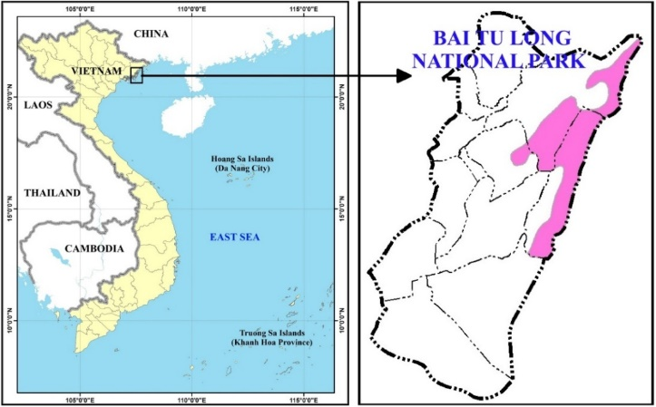
Figure 1. Location of the study area
The study area lies in the East Asian-Australasian Flyway, and avian assemblages in Bai Tu Long National Park therefore exhibit pronounced seasonal variation. Resident species and local breeders are most active during the warm season, with the breeding period extending roughly from March to August and peaking between April and June. Breeding migrants primarily occur in spring-summer, whereas wintering migrants are most abundant from October to March. Passage migrants are concentrated during the spring (March–May) and autumn (September–November) migration windows. Consequently, species presence and habitat-specific abundances are expected to vary substantially over the annual cycle.
Survey Period
Between November 2024 and November 2025, four field surveys were conducted, each comprising about 20 survey days. The survey periods were as follows: Survey 1 from 18 November 2024 to 04 December 2024 (17 days); Survey 2 from 5 March 2025 to 24 March 2025 (20 days); Survey 3 from 1 June 2025 to 20 June 2025 (20 days); and Survey 4 from 20 October 2025 to 8 November 2025 (20 days). During each survey period, all major habitat types within Bai Tu Long National Park were systematically monitored to record the occurrence of bird species.
Basis for Habitat Classification
Habitat classification in Bai Tu Long National Park was conducted using an integrative physiognomic-ecological framework, in which habitat units were delineated based on relatively homogeneous abiotic environmental conditions and associated biotic communities, particularly vegetation structure and composition (Dimitrakopoulos & Troumbis, 2019).
Abiotic determinants included:
(i) Geomorphological and substrate conditions: habitats occurring on terrestrial soil-based islands, limestone karst islands, and marine environments;
(ii) Microclimatic variables: temperature regime, relative humidity, light availability, and precipitation;
(iii) Edaphic characteristics: soil types and pedogenetic conditions.
Vegetation was classified according to physiognomy and land-cover attributes, including:
(i) Vegetation formations: closed evergreen forest, grassland, shrubland, and cultivated vegetation (including plantation forests and agricultural land);
(ii) Anthropogenic disturbance gradients: ranging from low to high levels of human influence.
Based on this classification framework, eight major habitat types (E1–E8) were identified before field surveys and used consistently for survey design, field data recording, and subsequent analyses.
Bird Surveys
Surveys were conducted across all eight predefined habitat types (E1–E8) during four field campaigns from November 2024 to November 2025, each lasting 17–20 consecutive days and covering major seasonal phases of the annual cycle. Surveys were implemented across all eight habitat types (E1–E8) using a combination of line transects along existing patrol routes and opportunistic observations to maximize detection across heterogeneous environments. Surveys were carried out along patrol routes on major islands, including Minh Chau, Ba Mun, Cai Lim, Tra Ban, and Tra Ngo. Transects followed established forest trails, coastal paths, and accessible shoreline sections. The total survey distance was estimated at approximately 480 km across all campaigns, with a mean daily transect length of about 6 km. These estimates are consistent with the total survey duration and daily sampling intensity across field campaigns.
Observations were conducted primarily during two daily periods: early morning from sunrise (05:00 in summer and 06:00 in winter) until 12:00 and late afternoon from 15:00 until sunset (17:30 in summer and 17:00 in winter). Nocturnal surveys were additionally conducted between 20:00 and 24:00 to detect nocturnal bird species. The effective observation time averaged approximately 7–8 hours per day per observer, with total observer-hours reflecting cumulative effort across multiple observers.
Sampling effort was estimated based on daily survey duration, transect length, and proportional time allocation across habitats, derived from field logs and post-survey standardization.
Table 1. Estimated sampling effort across habitat types in Bai Tu Long National Park
Habitats | Number of survey day* | Estimated transect length (km) | Observer- hours | Relative effort by time (%) |
Evergreen broadleaf forest on soil mountains (E1) | 65 | 180 | 420 | 35.0 |
Evergreen broadleaf forest on limestone mountains (E2) | 55 | 130 | 300 | 25.0 |
Mangrove forest (E3) | 35 | 60 | 150 | 12.5 |
Coral reef (E4) | 15 | 15 | 50 | 4.2 |
Seagrass beds (E5) | 12 | 10 | 40 | 3.3 |
Karst lagoons within limestone mountains (Tung–Ang system) (E6) | 18 | 20 | 60 | 5.0 |
Intertidal flats (E7) | 30 | 45 | 120 | 10.0 |
Agricultural land (E8) | 28 | 20 | 60 | 5.0 |
Total |
| 480 | 1200 | 100 |
*Note: Survey days are not mutually exclusive, as multiple habitat types were often surveyed within the same day.
A summary of estimated sampling effort across habitat types is provided in Table 1. Survey effort was unevenly distributed, with forest habitats (E1 and E2) receiving the highest proportion of effort due to their larger spatial extent and accessibility. In contrast, marine-associated habitats (E4–E6) received comparatively lower effort. This variation in sampling intensity should be taken into account when interpreting differences in species richness among habitats.
The birds were observed via Nikon 10×42 binoculars and photographed with a Nikon D5 camera equipped with a 500 mm lens and a 1.5× teleconverter. Species identification and conservation were performed according to the Birds of Vietnam (Nguyen et al., 2000), the Birds of Vietnam (Le, 2020) and the Guide to the Birds of Southeast Asia (Styring, 2001).
Data and Statistical Analysis
The bird occurrence data were recorded in binary format (1 = presence, 0 = absence) for each species across habitats.
Unique species analysis was conducted as follows.
A species was considered unique if it was recorded in only one habitat type. The number of unique species per habitat was used to assess habitat specialization and conservation value (Colwell et al., 1994).
Species richness estimation.
Sampling completeness was evaluated via the Chao2 estimator:
Schao2= Sobs + (1)
where:
Sobs: observed species richness.
Q1: species occurring in only one habitat.
Q2: species occurring in exactly two habitats.
Species richness (S) was defined as the total number of species recorded per habitat.
Species similarity between habitats was quantified via the Jaccard index:
J= (2)
where:
a: species shared by both habitats.
b: species unique to Habitat 1.
c: species unique to Habitat 2.
All analyses were conducted in R via the following packages: vegan, pheatmap, and tidyverse.
Results
Habitat Characterization of Bai Tu Long National Park
The eight habitat types defined in Section 2.3 are heterogeneously distributed across Bai Tu Long National Park (Figure 2; Table 2). Evergreen broadleaf forest on soil mountains (E1) and Evergreen broadleaf forest on limestone mountains (E2) dominated in terms of spatial extent, covering 4,272 ha and 1,370 ha, respectively. These habitats were primarily distributed on Ba Mun Island, the Sau Island complex, and the northern part of Tra Ngo Island. In contrast, coastal and marine-associated habitats, including mangrove forests (E3), coral reefs (E4), seagrass beds (E5), karst lagoons within limestone mountains (E6), and intertidal flats (E7), occurred in smaller and more spatially fragmented patches but are recognized as functionally important components of coastal ecosystem dynamics.
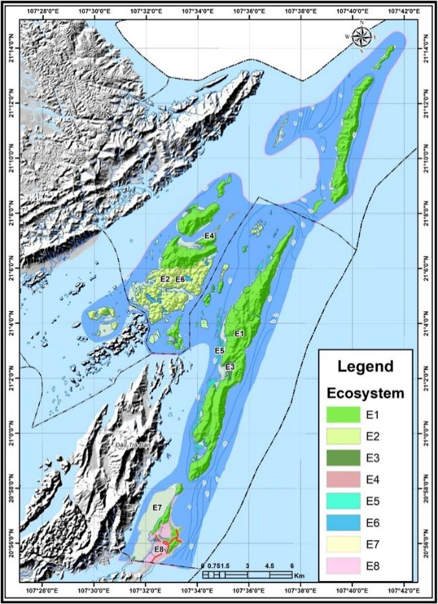
Figure 2. Spatial distribution of habitat types in Bai Tu Long National Park
Table 2. Habitat types in Bai Tu Long National Park
Habitat | Description | Area (ha) |
Evergreen broadleaf forest on soil mountains (E1) | This habitat occupies the largest area of terrestrial islands and is defined by soil-based substrates with minimal limestone exposure, supporting well-developed evergreen broadleaf forests. Vegetation is dominated by taxa from Fagaceae, Lauraceae, Malvaceae, Myrtaceae, and other native tree families, including several rare plant species. The habitat is characterized by complex vertical stratification, closed canopies, and high structural heterogeneity, typical of mature island forests with relatively stable edaphic and hydrological conditions. | 4272 |
Evergreen broadleaf forest on limestone mountains (E2) | This habitat is delineated by exposed karst substrates and steep limestone formations, where vegetation is adapted to shallow soils, high drainage, and seasonal drought stress. Dominant plant groups include Moraceae, limestone-adapted Dracaena populations, and Cycad species that colonize rock crevices and cliffs. The ecosystem is characterized by rugged karst topography, caves, sinkholes, and pronounced microhabitat heterogeneity, resulting in floristic and structural characteristics distinct from those of soil-based forests. | 1370 |
Mangrove forest (E3) | Mangrove forests are classified based on tidal inundation, salinity, and the dominance of halophytic woody vegetation typical of northeastern Vietnam. Covering approximately 100 ha, this habitat is distributed across sheltered bays and lagoons, including Cai Quyt, Lo Ho, Soi Nhu, O Lon, Cai De, and Cai Lim. Mangroves form structurally simplified but highly productive ecosystems, functioning as breeding and nursery grounds for aquatic fauna and providing important foraging and roosting habitats for terrestrial and semiaquatic birds. | 75 |
Coral reef (E4) | Coral reef habitats are defined by subtidal hard substrates dominated by scleractinian corals and associated reef organisms. In Bai Tu Long Bay, reefs occur primarily as island-fringing systems exposed to waves and currents, resulting in rugged seabed topography with limited reef zonation. Reef width typically ranges from 25 to 150 m and habitats are characterized by strong marine influence and minimal terrestrial vegetation. | 84 |
Seagrass beds (E5) | Seagrass habitats are classified based on the presence of subtidal or shallow intertidal sandy-muddy substrates colonized by marine angiosperms. These habitats are scattered across Chuong Di, Mang River, Lo Ho Bay, Cai De Bay, Tra Than Bay, and Ong Tich Lagoon, totaling approximately 10 ha. Vegetation is dominated by monocotyledonous species of the order Alismatales, forming low-canopy submerged habitats of high ecological importance for coastal food webs. | 169 |
Karst lagoons within limestone mountains (Tung–Ang system) (E6) | This habitat type is uniquely characteristic of Bai Tu Long National Park and consists of enclosed limestone valleys partially inundated by seawater, such as Cai De lagoon. Water exchange with surrounding marine areas occurs only through narrow crevices or subterranean channels, creating hydrologically restricted and environmentally isolated systems. These conditions support relict and endemic flora and fauna. The park contains seven “tung” and ten “ang” systems concentrated on islands such as Tra Ngo Lon, Tra Ngo Nho, Cai Lim, Mang Ha, Soi Nhu, and Da Ay. | 65 |
Intertidal flats (E7) | Intertidal flats are delineated by regular tidal exposure and inundation and occur on sandy or rocky substrates around islands and island clusters. This habitat is characterized by high temporal variability in moisture and salinity and provides essential feeding grounds for shorebirds and other coastal species during low tide. | 1506 |
Agricultural land (E8) | Agricultural land is classified based on human-modified vegetation and land-use patterns, occurring primarily on Minh Chau Island. This habitat consists of crop fields interspersed with rural settlements and represents a semi-natural matrix habitat influenced by both anthropogenic activities and surrounding natural ecosystems. | 351 |
The spatial configuration of habitat types reflects pronounced geomorphological heterogeneity associated with soil-based islands, limestone karst islands, and intertidal systems, as well as variation in key abiotic drivers such as elevation, lithological substrate, and tidal influence. The relatively large extent of E1 and E2 indicates the structural dominance of terrestrial forest ecosystems in shaping landscape configuration, whereas coastal and lagoon-associated habitats (E3–E7) contribute important ecological functions related to nutrient cycling, primary productivity, and trophic support for marine-associated taxa. The diversity of vegetation formations and variation in vertical structural complexity provide heterogeneous ecological niches that can support differences in avian species composition among habitat types. Furthermore, spatial connectivity between extensive forest patches (E1, E2) and smaller coastal habitats may influence dispersal processes and the spatial organization of bird assemblages. In contrast, anthropogenic pressures affecting coastal habitats may reduce the availability of key resources for migratory and wintering species.
Habitat-Specific Patterns of Bird Species Richness
Across the eight habitat types, a total of 161 bird species belonging to 52 families and 16 orders were recorded (see Table S1). Species richness estimation using the Chao2 index indicated high sampling completeness, with observed richness representing 97% of the estimated total (S_obs/S_Chao2 = 0.97), suggesting that sampling effort was sufficient to characterize avian diversity across the principal habitat types. Previous provincial-scale reports provided only aggregated species counts and did not include site-specific information for Van Don District, where Bai Tu Long National Park is located; consequently, both the total number of species and the taxonomic composition of the avifauna in the study area had remained insufficiently documented. The higher number of species recorded in the present study reflects the improved taxonomic resolution achieved through a habitat-explicit sampling design encompassing multiple habitat types and both principal migratory periods. Among the recorded taxa, 17 species are of conservation concern, being listed in the Vietnam Red Data Book, the IUCN Red List, and/or protected under Circular No. 27/2025/TT-BNNMT of the Ministry of Agriculture and Environment, emphasizing the conservation importance of the park’s avifauna.
Species richness varied markedly among habitat types (Figure 3), indicating strong habitat-related structuring of bird assemblages. Evergreen broadleaf forest on soil mountains (E1) and agricultural land (E8) supported the highest species richness (110–112 species), accounting for approximately 70% of the total number of species recorded. Evergreen broadleaf forest on limestone mountains (E2) ranked second, with 95 species, further highlighting the importance of forested habitats for maintaining diverse avian communities. In contrast, coral reef (E4), Karst lagoons within limestone mountains (E6), and seagrass beds (E5) supported comparatively low species richness (2–11 species per habitat), reflecting the predominance of aquatic conditions and the limited structural features suitable for most terrestrial bird taxa. Mangrove forests (E3) and intertidal flats (E7) supported intermediate levels of species richness (36–81 species), consistent with their ecological role as transitional environments linking terrestrial and marine systems. Overall, the distribution of species richness across habitats was highly uneven, with forest ecosystems functioning as principal reservoirs of avian diversity, while non-forest habitats contributed fewer species but increased landscape-level diversity. These patterns should be interpreted in light of variation in sampling effort among habitats (Table 1). The high richness observed in E1 provides quantitative evidence that evergreen broadleaf forest on soil mountains represents a major center of avian diversity within the park.
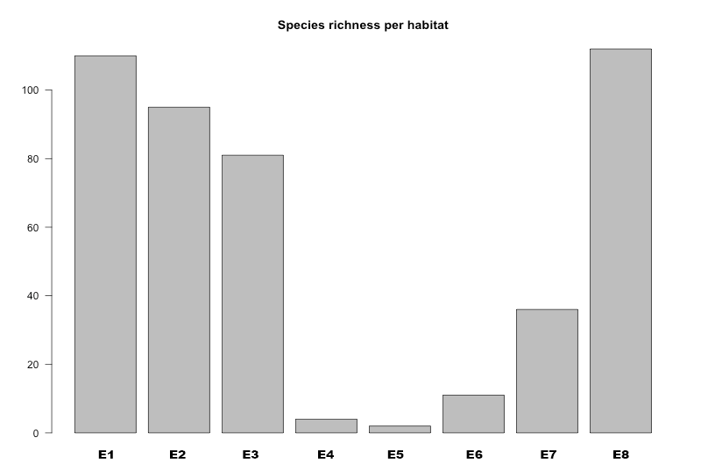
Figure 3. Bird species richness across habitats in Bai Tu Long National Park
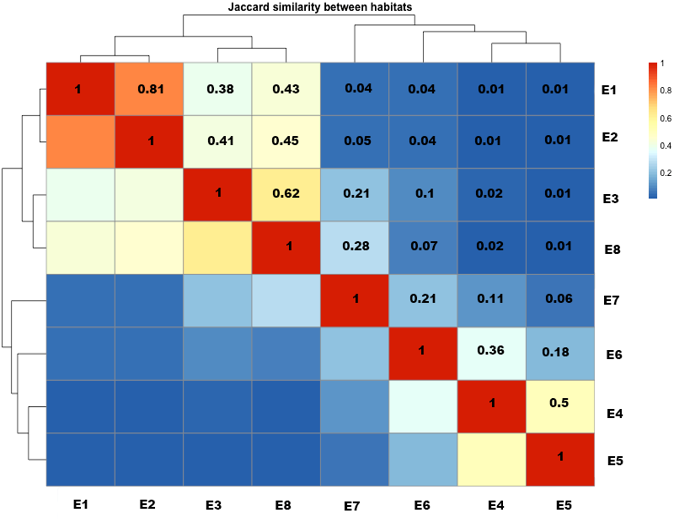
Figure 4.Jaccard similarity heatmap between habitats in Bai Tu Long National Park
Similarity in Species Composition Among Habitats
Analysis of species composition using the Jaccard similarity index revealed clear patterns of turnover among habitat types (Figure 4). Two primary habitat groups were identified. The first
group comprised E1 (Evergreen broadleaf forest on soil mountains), E2 (Evergreen broadleaf forest on limestone mountains), E3 (mangrove
forest), and E8 (agricultural land), which exhibited relatively high internal similarity, indicating substantial overlap in species composition. This similarity likely reflects the presence of woody vegetation and multi-layered structural components that provide comparable ecological resources for many bird species.
The second group included intertidal flats (E7), karst lagoons within limestone mountains (E6), coral reefs (E4), and seagrass beds (E5). These habitats showed relatively low similarity to the forest-associated group but moderate similarity within the group itself, despite differences in salinity, water depth, and hydrodynamic conditions. These habitats are characterized by limited vertical vegetation structure and are primarily associated with waterbirds, shorebirds, and other taxa adapted to open or aquatic environments.
Hierarchical clustering based on Jaccard distances (Figure 5) further supported this separation, demonstrating a clear compositional distinction between forest and non-forest habitats. This pattern indicates high β-diversity at the landscape scale, reflecting strong habitat filtering and ecological specialization. The pronounced separation between forested and non-forested assemblages suggests that habitat type represents a major driver of avian community structure in Bai Tu Long National Park.
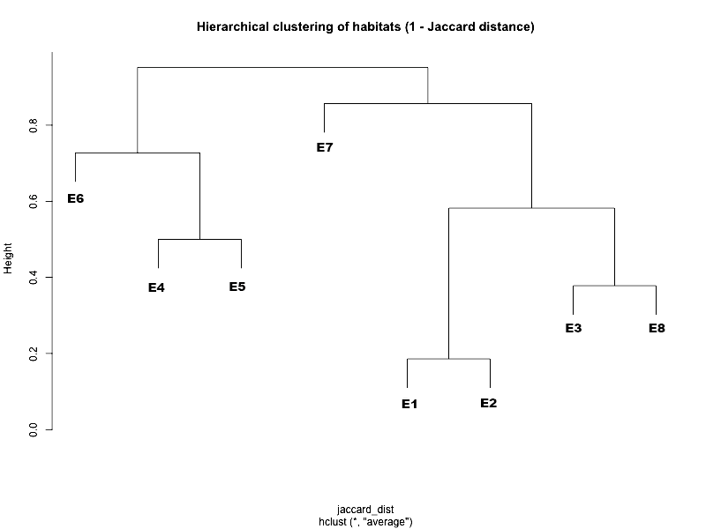
Figure 5.Hierarchical clustering (Jaccard distance measurement, mean association method) of habitats in Bai Tu Long National Park
The clear bifurcation of avian assemblages into forest and nonforest clusters represents the first empirical demonstration of strong habitat-driven beta diversity within Bai Tu Long National Park. This pattern indicates that avian community structure is not gradually distributed along a terrestrial–marine gradient but instead exhibits sharp compositional boundaries driven by habitat type. Such pronounced turnover has not been previously documented for the park and underscores the role of habitat specialization in shaping regional bird diversity.
Distribution of Habitat-Specific (Unique) Species
The distribution of habitat-specific species was highly uneven across habitat types (Table 3). Evergreen broadleaf forest on soil mountains (E1) supported the highest number of unique species (n = 13), including Clamator coromandus, Surniculus lugubris, Hierococcyx nisicolor, Rallina eurizonoides, Otus spilocephalus, Strix leptogrammica, Terpsiphone affinis, Phylloscopus ricketti, Phylloscopus schwarzi, Muscicapa muttui, Ficedula narcissina, Enicurus schistaceus, and Dicaeum minullum. Agricultural land (E8) supported five unique species, including Phalaropus lobatus, Acridotheres cristatellus, Acridotheres tristis, Passer montanus, and Anthus rufulus. Evergreen broadleaf forest on limestone mountains (E2) supported two unique species (Falco severus and Gypsophila brevicaudata), whereas intertidal flats (E7) supported one unique species (Calidris alba).
No unique species were recorded in mangrove forests (E3), coral reefs (E4), seagrass beds (E5), or karst lagoons within limestone mountains (E6), likely reflecting relatively high species overlap with adjacent habitats or the predominance of generalist and transient species. The concentration of unique species in E1 highlights the importance of evergreen broadleaf forest on soil mountains as a key habitat for specialized taxa, while the occurrence of unique species in agricultural habitats indicates the complementary role of modified landscapes in contributing to overall avian diversity at the landscape scale.
Table 3. Number of habitat-specific (unique) bird species across habitats in Bai Tu Long National Park
Habitat | Unique species count |
E1 | 13 |
E8 | 5 |
E2 | 2 |
E7 | 1 |
E3, E4, E5, E6 | 0 |
Discussion
Habitat Heterogeneity as a Key Determinant of Avian Species Richness
This study provides the first habitat-explicit evaluation of avian diversity across the full range of terrestrial, coastal, and marine-associated habitats in Bai Tu Long National Park. The results demonstrate pronounced variation in species richness among habitat types, supporting the widely recognized role of habitat heterogeneity and structural complexity as major determinants of avian diversity (Magurran, 2004; Whittaker et al., 2001). Evergreen broadleaf forests, particularly those occurring on soil mountains (E1), supported the highest species richness and the greatest number of habitat-restricted species, indicating their importance as primary reservoirs of avian diversity within the park. Forest ecosystems characterized by multilayered vegetation structure, high plant diversity, and relatively stable microclimatic conditions are known to provide diverse trophic resources, nesting substrates, and opportunities for shelter, thereby increasing niche availability and facilitating species coexistence (Betts et al., 2014; Tews et al., 2004).
The higher species richness observed in forest habitats can be attributed to their greater structural complexity and vertical stratification. These features generate a wide range of microhabitats and ecological niches, supporting species with diverse foraging strategies, dietary preferences, and nesting requirements. In contrast, more simplified habitats such as intertidal flats or seagrass beds tend to support functionally narrower assemblages, which may partly explain their lower observed richness.
Evergreen broadleaf forests on limestone mountains (E2) also supported high species richness, further underscoring the importance of forested habitats in maintaining diverse bird assemblages across substrate types. Together, E1 and E2 accounted for a large proportion of the total recorded species, underscoring the dominant role of forest ecosystems in landscape-level diversity in Bai Tu Long National Park. These findings are consistent with ecological theory predicting positive relationships between habitat structural complexity and species richness across tropical and subtropical systems (Betts et al., 2014; Şekercioğlu, 2002).
Mangrove forests (E3) supported moderate levels of species richness, reflecting their ecological role as transitional habitats between terrestrial and marine environments. Mangroves provide feeding and roosting habitats for waterbirds and opportunistic species and contribute to landscape connectivity along coastal gradients (Giri et al., 2011; Li et al., 2022; Nagelkerken et al., 2008). In contrast, coral reefs (E4), seagrass beds (E5), and karst lagoons within limestone mountains (E6) supported comparatively few bird species, likely reflecting the limited availability of suitable nesting sites and terrestrial foraging opportunities for most avian taxa. Such habitats are typically used by specialized ecological guilds or seasonally occurring species and therefore contribute less to local α diversity but remain important components of overall habitat diversity within coastal ecosystems (Gray et al., 2007; Şekercioğlu, 2002).
Overall, the observed distribution of species richness indicates that forest habitats, particularly evergreen broadleaf forest on soil mountains (E1), represent major centers of avian diversity in Bai Tu Long National Park, while coastal and marine-associated habitats contribute complementary ecological functions and increase habitat representation at the landscape scale. Part of this pattern may also reflect differences in sampling effort among habitats.
Habitat Differentiation and Beta Diversity Patterns
The Jaccard similarity analysis revealed clear compositional differentiation among habitat types, with bird assemblages forming two principal groups, broadly corresponding to forested and non-forested environments. Forest habitats (E1, E2), together with agricultural land (E8) and mangrove forest (E3), showed relatively high species-composition similarity, likely reflecting shared structural attributes, such as woody vegetation cover and the presence of arboreal or shrub layers. Similar clustering patterns have been widely observed in heterogeneous landscapes, where vegetation structure is a primary determinant of bird community composition (Newbold et al., 2013).
In contrast, intertidal flats (E7), karst lagoons within limestone mountains (E6), seagrass beds (E5), and coral reefs (E4) formed a distinct compositional group characterized by relatively low similarity with forest habitats. Open or aquatic ecological conditions dominate these environments and primarily support waterbirds, shorebirds, and generalist species adapted to exposed substrates or shallow-water feeding habitats. The strong separation between forest and non-forest assemblages indicates substantial species turnover across habitat types, contributing to high β diversity at the landscape scale (Anderson et al., 2011).
The distinct contribution of agricultural land (E8) to overall species richness further illustrates the ecological importance of habitat mosaics in supporting diverse bird communities. Agricultural landscapes can provide supplementary feeding habitats, edge environments, and structurally heterogeneous vegetation that support adaptable and open-habitat species (Tscharntke et al., 2012). These findings highlight the importance of maintaining a heterogeneous landscape matrix to sustain regional-scale biodiversity.
Ecological Importance of Habitat-Restricted Species
The uneven distribution of habitat-restricted species among habitat types further emphasizes the ecological significance of forest ecosystems in Bai Tu Long National Park. Evergreen broadleaf forest on soil mountains (E1) supported the highest number of unique species, indicating the presence of habitat specialists associated with relatively intact forest conditions. Forest-dependent bird species often exhibit narrow ecological requirements related to canopy structure, microclimate stability, and specialized foraging strategies, making them particularly sensitive to habitat disturbance and fragmentation (Sodhi et al., 2011).
Agricultural land (E8) also supported several unique species, suggesting that modified landscapes can contribute to regional diversity by supporting species adapted to open habitats or human-influenced environments. Such complementary contributions of natural and modified habitats are increasingly recognized as important components of landscape-level conservation strategies (Karp et al., 2018).
No habitat-restricted species were recorded in mangrove forests, coral reefs, seagrass beds, or karst lagoons. This pattern may reflect higher greater species overlap with adjacent habitats or the predominance of generalist, mobile species in these environments. Coastal habitats are frequently used seasonally by migratory species and may require long-term or seasonally targeted surveys to fully characterize their ecological importance (Studds et al., 2017).
Implications for Conservation and Habitat-Based Management
The occurrence of 17 species of conservation concern listed in the Vietnam Red Data Book, the IUCN Red List, and Circular No. 27/2025/TT-BNNMT further highlights the conservation importance of Bai Tu Long National Park at national and regional scales. From a conservation perspective, priority should be given to protecting evergreen broadleaf forests on soil mountains (E1), which support the highest species richness and a substantial proportion of habitat-associated species. Management actions should focus on preventing forest degradation, minimizing habitat fragmentation, and maintaining the structural integrity of mature forest ecosystems.
At the landscape scale, maintaining connectivity among habitat types is essential. Forest, mangrove, and intertidal systems provide complementary resources for different ecological guilds, including resident and migratory species. Conservation strategies should therefore avoid single-habitat approaches and instead promote integrated management of terrestrial and coastal ecosystems to sustain the full range of avian diversity in the park (Lindenmayer et al., 2008).
Study Limitations and Directions for Future Research
Several limitations should be considered when interpreting the results. First, analyses were based on presence–absence data rather than quantitative abundance estimates, limiting the ability to evaluate population density and dominance patterns among habitats. Incorporating standardized abundance-based methods, such as distance sampling or repeated point counts, would allow a more detailed assessment of species-habitat relationships (Bibby et al., 2000).
Second, detection probability may vary among species due to differences in behavior, vocal activity, and habitat preferences, particularly for nocturnal or cryptic species. Future studies could apply occupancy modelling approaches to account for imperfect detection and improve estimates of habitat use (Kéry & Schmidt, 2008; MacKenzie, 2006).
Third, although surveys were conducted across principal migratory periods, longer-term monitoring would improve understanding of temporal variation in species composition associated with migration dynamics along the East Asian-Australasian Flyway (Kirby et al., 2008; Studds et al., 2017).
Finally, integrating quantitative environmental variables such as vegetation structure, canopy cover, or disturbance intensity would enable a more mechanistic evaluation of the ecological drivers underlying observed diversity patterns (Newbold et al., 2013).
An additional limitation of this study relates to variation in sampling effort among habitat types. Although all major habitats were surveyed repeatedly across seasons, differences in accessibility and spatial extent resulted in uneven sampling intensity, with forest habitats receiving relatively greater effort than more restricted or logistically challenging habitats such as coral reefs and seagrass beds. This variation may have influenced detection probability and, consequently, observed species richness. Therefore, comparisons among habitats should be interpreted with caution, and future studies should aim to implement fully standardized sampling designs.
Conclusion
This study provides the first comprehensive habitat-based assessment of avian diversity in Bai Tu Long National Park, documenting 161 bird species across 52 families and 16 orders, distributed across eight habitat types, with high sampling completeness (S_obs/Chao2 = 0.97). The habitat-specific species inventories generated in this study substantially improve the taxonomic resolution available for the area, where previous reports provided only aggregated species counts without clearly documented species composition. Bird species richness and community composition varied markedly among habitat types, with evergreen broadleaf forest on soil mountains (E1) supporting the highest species richness and the greatest number of habitat-restricted species, highlighting its role as a primary reservoir of avian diversity within the park. In contrast, coastal and marine-associated habitats supported fewer species but contributed distinct assemblages, resulting in substantial species turnover across habitats. Jaccard similarity analysis revealed clear compositional differentiation between forest and non-forest habitats, demonstrating the important role of habitat heterogeneity in structuring avian communities at the landscape scale. The occurrence of 17 species of conservation concern listed in the Vietnam Red Data Book, the IUCN Red List, and Circular No. 27/2025/TT-BNNMT further underscores the high conservation value of Bai Tu Long National Park. Overall, these findings provide an important baseline for long-term biodiversity monitoring and emphasize the importance of habitat-based approaches in supporting conservation planning in tropical coastal protected areas.
Funding: This study was conducted under the research project “Assessment of avian species composition and conservation solutions in Bai Tu Long National Park, Quang Ninh Province” (Code: ST.Đ1.21/24), funded by the Joint Vietnam-Russia Tropical Science and Technology Research Center.
Acknowledgements: The authors sincerely thank the administration and staff of Bai Tu Long National Park for providing the necessary permissions and facilitating the field surveys.
Data Availability Statement: All relevant data supporting the findings of this study are included within the article and its supplementary materials.
Author Contributions: Dinh The Dung: Conceptualization, Methodology, Formal analysis, Writing - Original Draft. Pham Hong Phuong: Supervision, Writing - Review & Editing. Ngo Trung Dung: Investigation. Pham Hong Phuong, Dinh The Dung, Dang Ngoc Huyen, Tran Huu Coi, Nguyen Huu Hiep, Ngo Xuan Tuong: Investigation.
Conflict of Interest Statement: The authors declare that they have no conflicts of interest.
Statement on the Use of Generative AI (GenAI): The authors declare that Generative AI tools were not used to generate or edit the scientific content of this manuscript. Where AI tools were employed (grammar checking/formatting only), the authors have verified all content and take full responsibility for the final version.
Supplementary Files:
References
Anderson, M. J., Crist, T. O., Chase, J. M., Vellend, M., Inouye, B. D., Freestone, A. L., Sanders, N. J., Cornell, H. V., Comita, L. S., Davies, K. F., Harrison, S. P., Kraft, N. J. B., Stegen, J. C., & Swenson, N. G. (2011). Navigating the multiple meanings of β diversity: A roadmap for the practicing ecologist. Ecology Letters, 14, 19–28. https://doi.org/10.1111/j.1461-0248.2010.01552.x
Baselga, A. (2010). Partitioning the turnover and nestedness components of beta diversity. Global Ecology and Biogeography, 19, 134–143. https://doi.org/10.1111/j.1466-8238.2009.00490.x
Beharrell, N., & Ryder, S. (2004). Innovative conservation initiatives: Bai Tu Long Bay, Viet Nam. Biodiversity, 5(2), 3–11. https://doi.org/10.1080/14888386.2004.9712722
Betts, M. G., Fahrig, L., Hadley, A. S., Halstead, K. E., Bowman, J., Robinson, W. D., Wiens, J. A., & Lindenmayer, D. B. (2014). Global patterns and predictors of bird species responses to forest fragmentation: Implications for ecosystem function and conservation. Biological Conservation, 169, 372–383. https://doi.org/10.1016/j.biocon.2013.11.024
Bibby, C. J., Burgess, N. D., Hill, D. A., & Mustoe, S. H. (2000). Bird census techniques. Academic Press.
Chung, N. C., Miasojedow, B., Startek, M., & Gambin, A. (2019). Jaccard/Tanimoto similarity test and estimation methods for biological presence–absence data. BMC Bioinformatics, 20(Suppl. 15), Article 644. https://doi.org/10.1186/s12859-019-3118-5
Colwell, R. K., Coddington, J. A., & Hawksworth, D. L. (1994). Estimating terrestrial biodiversity through extrapolation. Philosophical Transactions of the Royal Society B: Biological Sciences, 345(1311), 101–118. https://doi.org/10.1098/rstb.1994.0091
Dimitrakopoulos, P. G., & Troumbis, A. Y. (2019). Biotopes. In B. Fath (Ed.), Encyclopedia of Ecology (2nd ed., pp. 359–365). Elsevier. https://doi.org/10.1016/B978-0-12-409548-9.10923-6
Durairaj, P., Maniarasan, U., & Nagarajan, N. (2017). Study on avifaunal diversity from Thiruthalaiyur Lake, Tiruchirapalli Forest Division, Tamil Nadu. IOSR Journal of Environmental Science, Toxicology and Food Technology, 11(12), 67–71.
Giri, C., Ochieng, E., Tieszen, L. L., Zhu, Z., Singh, A., Loveland, T., Masek, J., & Duke, N. (2011). Status and distribution of mangrove forests of the world using earth observation satellite data. Global Ecology and Biogeography, 20, 154–159. https://doi.org/10.1111/j.1466-8238.2010.00584.x
Gotelli, N. J., & Colwell, R. K. (2001). Quantifying biodiversity: Procedures and pitfalls in the measurement and comparison of species richness. Ecology Letters, 4, 379–391. https://doi.org/10.1046/j.1461-0248.2001.00230.x
Gray, M. A., Baldauf, S. L., Mayhew, P. J., & Hill, J. K. (2007). The response of avian feeding guilds to tropical forest disturbance. Conservation Biology, 21, 133–141. https://doi.org/10.1111/j.1523-1739.2006.00557.x
Karp, D. S., Frishkoff, L. O., Echeverri, A., Zook, J., Juárez, P., & Chan, K. M. A. (2018). Agriculture erases climate-driven β-diversity in Neotropical bird communities. Global Change Biology, 24, 338–349. https://doi.org/10.1111/gcb.13821
Kéry, M., & Schmidt, B. (2008). Imperfect detection and its consequences for monitoring for conservation. Community Ecology, 9(2), 207–216. https://doi.org/10.1556/comec.9.2008.2.10
Kirby, J. S., Stattersfield, A. J., Butchart, S. H. M., Evans, M. I., Grimmett, R. F. A., Jones, V. R., O'Sullivan, J., Tucker, G. M., & Newton, I. (2008). Key conservation issues for migratory land- and waterbird species on the world's major flyways. Bird Conservation International, 18, 49–73. https://doi.org/10.1017/S0959270908000439
Le, M. H. (2020). Birds of Vietnam. Nha Nam Publishing House & The World Publishing House.
Li, X., Liu, Z., Wang, S., Li, F., Li, H., Zhu, T., Qian, Z., Tu, Y., Liu, Y., Wang, X., Wang, Q., Shi, W., & Li, D. (2022). Spatial characteristics of the stability of mangrove ecosystems in freshwater and seawater floods in Southeast Asia. Journal of Geographical Sciences, 32, 1831–1846. https://doi.org/10.1007/s11442-022-2025-2
Lindenmayer, D. B., Hobbs, R. J., Drake, R. M., Alexandra, J., Bennett, A., Burgman, M., Cale, P., Calhoun, A., Cramer, V., Cullen, P., Driscoll, D., Fahrig, L., Fischer, J., Franklin, J., Haila, Y., Hunter, M., Gibbons, P., Lake, S., Luck, G., ...& Zavaleta, E. (2008). A checklist for ecological management of landscapes for conservation. Ecology Letters, 11(1), 78–91. https://doi.org/10.1111/j.1461-0248.2007.01114.x
MacKenzie, D. I. (2006). Modeling the probability of resource use: The effect of, and dealing with, detecting a species imperfectly. The Journal of Wildlife Management, 70, 367–374. https://doi.org/10.2193/0022-541X(2006)70[367:MTPORU]2.0.CO;2
Magurran, A. E. (2004). Measuring biological diversity. Blackwell Publishing.
Nagelkerken, I., Blaber, S. J. M., Bouillon, S., Green, P., Haywood, M., Kirton, L. G., Meynecke, J.-O., Pawlik, J., Penrose, H. M., Sasekumar, A., & Somerfield, P. J. (2008). The habitat function of mangroves for terrestrial and marine fauna: A review. Aquatic Botany, 89(2), 155–185. https://doi.org/10.1016/j.aquabot.2007.12.007
Nguyen, T. K. O., Tran, T. N., Nguyen, T. C., Dinh, V. A. T., Ngo, T. D., Do, T. T., & Pham, V. T. (2025). Assessment of coastal water quality in Bai Tu Long National Park, Quang Ninh Province. Journal of Tropical Science and Technology, 39, 73–87. https://doi.org/10.58334/vrtc.jtst.n39.728
Nguyen, C., Le, T. T., & Phillipps, K. (2000). Birds of Vietnam. Labour and Social Affairs Publishing House.
Newbold, T., Scharlemann, J. P. W., Butchart, S. H. M., Şekercioğlu, Ç. H., Alkemade, R., Booth, H., & Purves, D. W. (2013). Ecological traits affect the response of tropical forest bird species to land-use intensity. Proceedings of the Royal Society B: Biological Sciences, 280(1750), 20122131. https://doi.org/10.1098/rspb.2012.2131
Priyanka, S., Patode, B. S., Salve, R., & Pawar, R. T. (2021). Avifaunal diversity status and abundance of Siddheshwar Reservoir, district Hingoli, Maharashtra, India. International Journal of Advanced Research in Biological Sciences, 8(12), 47–55.
Quang Ninh Provincial Department of Natural Resources and Environment. (2023). Survey, assessment, and development of a biodiversity database for Quang Ninh Province (Final report).
Şekercioğlu, C. H. (2002). Effects of forestry practices on vegetation structure and bird community of Kibale National Park, Uganda. Biological Conservation, 107(2), 229–240. https://doi.org/10.1016/S0006-3207(02)00097-6
Şekercioğlu, C. H. (2006). Increasing awareness of avian ecological function. Trends in Ecology & Evolution, 21(8), 464–471. https://doi.org/10.1016/j.tree.2006.05.007
Sodhi, N. S., Şekercioğlu, Ç. H., Barlow, J., & Robinson, S. K. (2011). Conservation of tropical birds. Wiley-Blackwell. https://doi.org/10.1002/9781444342611
Sterling, E. J., & Hurley, M. M. (2005). Conserving biodiversity in Vietnam: Applying biogeography to conservation research. Proceedings of the California Academy of Sciences, 56(9), 98–118.
Studds, C. E., Kendall, B. E., Murray, N. J., Wilson, H. B., Rogers, D. I., Clemens, R. S., Gosbell, K., Hassell, C. J., Jessop, R., Melville, D. S., Milton, D. A., Minton, C. D. T., Possingham, H. P., Riegen, A. C., Straw, P., Woehler, E. J., & Fuller, R. A. (2017). Rapid population decline in migratory shorebirds relying on Yellow Sea tidal mudflats as stopover sites. Nature Communications, 8, 14895. https://doi.org/10.1038/ncomms14895
Styring, A. R. (2001). Review of a guide to the birds of Southeast Asia: Thailand, Peninsular Malaysia, Singapore, Myanmar, Laos, Vietnam, Cambodia. The Auk, 118(2), 570–571. https://doi.org/10.1093/auk/118.2.570
Tews, J., Brose, U., Grimm, V., Tielbörger, K., Wichmann, M. C., Schwager, M., & Jeltsch, F. (2004). Animal species diversity driven by habitat heterogeneity/diversity: The importance of keystone structures. Journal of Biogeography, 31(1), 79–92. https://doi.org/10.1046/j.0305-0270.2003.00994.x
Tscharntke, T., Tylianakis, J. M., Rand, T. A., Didham, R. K., Fahrig, L., Batáry, P., Bengtsson, J., Clough, Y., Crist, T. O., Dormann, C. F., Ewers, R. M., Fründ, J., Holt, R. D., Holzschuh, A., Klein, A. M., Kleijn, D., Kremen, C., Landis, D. A., Laurance, W., ,,, & Westphal, C. (2012). Landscape moderation of biodiversity patterns and processes–Eight hypotheses. Biological Reviews, 87, 661–685. https://doi.org/10.1111/j.1469-185X.2011.00216.x
Wenny, D. G., DeVault, T. L., Johnson, M. D., Cagan, D. K., Şekercioğlu, C. H., Tomback, D. F., & Whelan, C. J. (2011). The need to quantify ecosystem services provided by birds. The Auk, 128(1), 1–14. https://doi.org/10.1525/auk.2011.10248
Whelan, C. J., Wenny, D. G., & Marquis, R. J. (2008). Ecosystem services provided by birds. Annals of the New York Academy of Sciences, 1134, 25–60. https://doi.org/10.1196/annals.1439.003
Whittaker, R. J., Willis, K. J., & Field, R. (2001). Scale and species richness: Towards a general, hierarchical theory of species diversity. Journal of Biogeography, 28, 453–470. https://doi.org/10.1046/j.1365-2699.2001.00563.x